
ALSO SEE: Emergency Procedures
Campus Security Telephone Numbers
- On Campus
- Campus Security:
- Ext. 6888 or 9.281.425.6888, 24 hours
- Red phones in each building and emergency poles throughout parking lots.
Pick up receiver or push button and wait for a security officer to answer.
- Local Emergency: Dial 9.911 (for fire, police, ambulance)
- Campus Security:
- Off Campus
- Campus Security: 281.425.6888 or 281.808.0079, 24 hours
- Local Emergency: 911
Email Campus Police Chief Eric Williams: ewilliams@lee.edu
The Security Services Office is located in the Security Facility.
Emergency Contacts
| Problem Area | Primary Agency / Person Responsible | On-Campus Phone | Off-Campus Phone |
|---|---|---|---|
| Bomb Threat | Switchboard | 0-Operator | 281.427.5611 |
| Car Trouble | Security Services | 6888 | 281.808.0079 |
| Environmental Spills | Baytown Fire Dept. | 9.911 | 911 |
| Fire | Baytown Fire Dept. | 9.911 | 911 |
| General Medical | EMS | 9.911 | 911 |
| Hurricane / Flood | Dean of Administrative Services | 6348 | 281.808.0079 |
| Life Threatening: — Drowning — Heat Stroke — Heart Attack — Sexual Assault / Assault |
Emergency Medical Services (EMS) | 9.911, then call 6888 |
911, then call 281.808.0079 |
| Maintenance-related: — Electrical — Gas — Sewer/Water |
Maintenance Foreman | 6489/6490 | 281.808.0079 |
| Student / Non-Student: — Problems |
Dean of Student Development / Institutional Planning |
6400 | 281.808.0079 |
| Tornadoes | Dean of Administrative Services | 6348 | 281.808.0079 |
| Vehicle Accident | Security | 6888 | 281.808.0079 |
|
Locking & Unlocking Doors |
Security | 6888 | 281.808.0079 |
NOTE 1: All campus buildings have red emergency phones installed in the hallways. If you cannot get to an office phone, use one of the red emergency telephones. Simply pick up the phone. No dialing is required. Tell the security officer the nature of the problem, and assistance will be rendered. In addition, there are emergency poles throughout the campus parking lots; push the button for assistance.
NOTE 2: Announcements regarding the operation of the college will be made on radio and TV stations. Refer to the Temporary Closings section of the handbook for details.
Automated License Plate Reader (ALPR) System
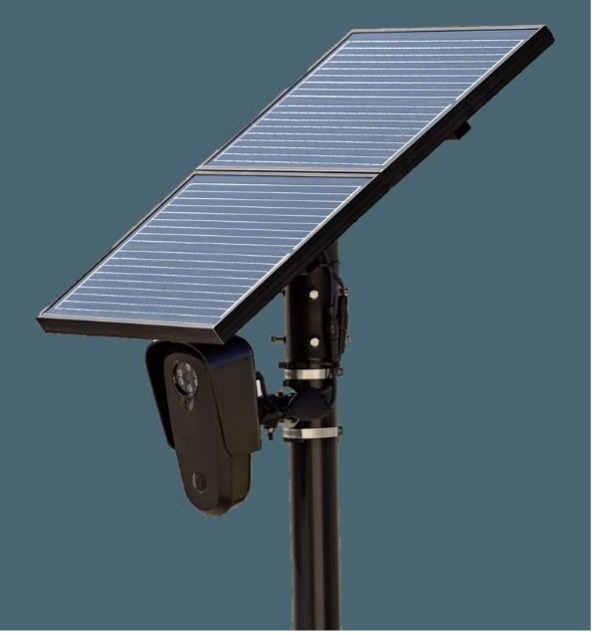 The Flock Automated License Plate Reader (ALPR) system utilizes fixed cameras to capture still images of vehicles and their license plates as they enter and exit designated campus locations. ALPR cameras are installed at primary entry points at the Lee College Main Campus, the McNair Center, and the Lee College Education Center – South Liberty County.
Why? To enhance campus safety by providing real-time vehicle monitoring and threat detection, thereby preventing crimes before they occur, monitoring campus perimeters 24/7, and facilitating the investigation and closure of campus crimes more efficiently.
The ALPR system is intended to enhance the safety and security of students, faculty, staff, and visitors. Key benefits include:
Enhanced Campus Safety
- Early warning system: If a vehicle is associated with felony warrants, active restraining orders, a stolen vehicle, a suspect vehicle in a reported crime, or a banned individual enters campus, Campus Security receives real-time alerts for immediate response.
- Support emergency response: During critical incidents (e.g., active threats, lockdown), ALPR data helps track vehicle movement and provides responders with valuable information.
- Geofencing and Pattern Analysis: ALPRs help Campus Security build patterns of loitering or suspicious vehicles.
Faster Investigations
- Efficient review of vehicle activity: When incidents occur (theft, hit-and-run, vandalism), ALPR records provide time-stamped data on vehicles entering or exiting the area.
- Valuable evidence: Investigators can quickly identify suspect vehicles, which is crucial in cases involving assaults, thefts, or abduction threats.
Crime Deterrence
- Visible technology discourages offenders: The presence of ALPR cameras reduces the likelihood of vehicle break-ins, theft, or unauthorized access.
The ALPR system is not used for traffic enforcement, student attendance tracking, or routine monitoring of individual vehicle movements. Flock ALPRs are not facial recognition cameras. They don’t track individuals — only vehicles.
ALPR System Administration
The Lee College Campus Security is responsible for managing and maintaining the Flock ALPR system. The Chief of Security serves as the System Administrator and authorized user.
Authorized users shall:
- Use the system strictly for legitimate safety or investigative purposes;
- Comply with all applicable laws, regulations, and institutional policies;
- Protect the confidentiality and integrity of ALPR data.
The ALPR System is used only to collect ALPR hits for investigations related to:
- Any felony;
- Stolen or wanted vehicles;
- Stolen license plates;
- Wanted persons;
- Missing or endangered persons;
- Vehicles with documented exclusions from Lee College property (including those who are subject to protection or restraining orders); and/or
- Credible threats to persons or property.
Prohibited uses include:
- Tracking or monitoring individuals without a legitimate safety or investigative purpose;
- Targeting individuals based on protected characteristics (e.g., race, gender, religion, national origin, disability);
- Use of ALPR data for routine disciplinary matters unless directly tied to a criminal investigation.
Data Sharing and Disclosure
ALPR data may be shared, with authorization from the Chief of Security, with local, state, or federal law enforcement agencies only when:
- A formal request is submitted as part of an active investigation, or
- An exigent circumstance involves a credible threat to life or safety.
ALPR data may be subject to requests under the Texas Public Information Act (TPIA). All requests will be evaluated on a case-by-case basis in consultation with college legal counsel.
ALPR data is considered a law-enforcement record and is not part of a student’s education record.
ALPR data is not:
- Sold;
- Shared for commercial use;
- Provided to third parties except as required or permitted by law.
Data Retention and Storage
ALPR data is retained for a maximum of 30 days, after which it is automatically deleted unless preserved for an active investigation or legal proceeding.
Data may be retained beyond 30 days only when:
- It is relevant to an ongoing investigation, or
- Preservation is required by law.
All retention exceptions must be documented and approved by the System Administrator.
All data is securely stored within the Flock Safety cloud platform, using industry-standard encryption in transit and at rest.
Transparency
Lee College will:
- Publish information about the ALPR system on the College website;
- List ALPR usage on the Daily Crime Log available on the College website.